
Cut the Noise: Control Your Environment
In competitive gaming, your surroundings can either work for you or against you. Focus isn’t just about mental discipline. It’s also about shaping the space around you to help your brain stay locked in.
Eliminate Background Distractions
Before you even launch your game, do a digital declutter:
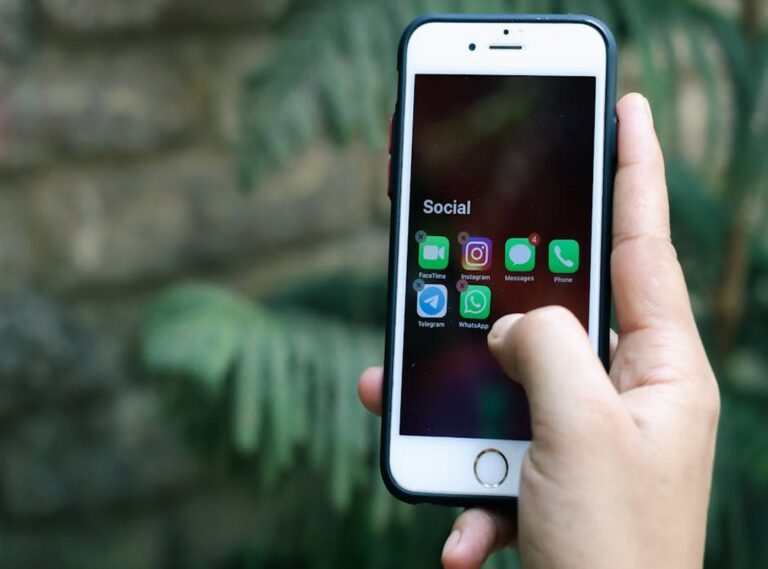
Silence your phone or place it in another room
Turn off non essential app notifications
Close any unnecessary tabs, especially social media or messaging platforms
Even small interruptions can break your flow and cost you critical in game decisions.
Use Sound Strategically
When you’re gaming, your ears matter just as much as your eyes. Control the auditory environment to match your level of focus:
Invest in noise canceling headphones to block real world distractions
Try ambient sound playlists (like rain or white noise) during warm up or post game reflection
Avoid music with lyrics during high stakes gameplay it splits your focus
Create a Consistent Setup
The more consistent your space, the faster your brain transitions into “game mode.”
Use the same chair, lighting, and desk orientation each session
Develop a simple pre game ritual (like adjusting your mouse grip or cleaning your screen)
Keep your gear arranged the same way every time
Routine conditions your brain to associate your setup with peak performance. Don’t underestimate this mental shortcut small consistencies stack into major focus gains.
Locking in your environment is step one. A focused space leads to a focused mind. Eliminate the chaos and your game will follow.
Warm Up Like an Athlete
Before you go charging into ranked, take 5 10 minutes to tune up your brain. Think aim trainers, reflex games, or even a rounds based warm up mode. The goal? Prime your focus and shake off mental lag. This isn’t fluff it’s how you build neurological readiness so your decision making snaps into place from match one.
Going in cold is a recipe for slow reaction times, sloppy mechanics, and early tilt. A quick ramp up helps you hit flow faster and with fewer mistakes. And once momentum starts rolling, it stacks. Tiny wins in your warm up translate to better starts and cleaner mid game reads. Treat your brain like your hands: it needs reps before it’s ready to perform.
Master Your Mindset Mid Match
Staying mentally sharp mid game isn’t just about mechanics it’s about managing your internal state.
Use Trigger Words and Breathing Cues
Between rounds or during downtime, use mental cues to stay calm and centered. Brief phrases like “reset,” “next play,” or “focus up” can help you recenter your thinking. Combine these with controlled breathing to quickly lower stress.
Pick a trigger word that means something to you
Take 3 5 deep breaths between rounds
Use these cues to clear mistakes and prep for the next moment
Reset, Don’t Spiral
Mistakes happen. What separates top tier players is how they respond. A missed shot or lost round isn’t the end it’s just a moment.
Acknowledge the error, then mentally move on
Avoid replaying the mistake in your head mid game
Treat each round like a fresh opportunity
Set Micro Goals in Real Time
Instead of watching the scoreboard, zoom in. What’s your next best play? Small, achievable goals keep your mind focused and adaptable.
“Win the next fight” beats “win the game” in the heat of the moment
Focus on angles, ability usage, or team comms whatever your role needs next
Celebrate small wins to keep your mindset positive and productive
Get more proven gaming focus tips
Train Your Attention Span

Raw energy is easy. Endurance is what separates the good from the consistent. That’s where block training comes in: 25 minute gaming sprints paired with 5 minute recovery breaks. It’s like interval training for your brain tight chunks of high focus, followed by a hard stop to reset.
Over time, these blocks build up your ability to lock in for longer sessions without frying your mental circuits. You’re not just sharpening reflexes you’re training yourself to stay mentally present in hour three the same way you were in minute ten.
But pacing is everything. If you catch yourself slipping bad calls, missed shots, tunnel vision it’s probably not lack of skill, it’s fatigue. Logging off doesn’t mean losing. It’s how you level up tomorrow without burning out today.
Turn Tilt Into Data
Tilt happens. But instead of letting it wreck your game, start tracking what sets you off. Maybe it’s back to back losses, a certain map you always underperform on, or the teammate who won’t stop open mic trash talking. These are your triggers and knowing them is step one.
Once you spot the patterns, build simple responses. Maybe you’ve got a mental script to reset your brain after a dumb death (“Next round, not last round”). Maybe it’s sitting up straighter or standing briefly between rounds. Even just sipping water can interrupt a tilt spiral. These micro resets break the loop.
Last part: stop taking every mistake like it’s personal. You’re not a robot. Get through the session, then review the tape. Reflection works better when you’re not in fight or flight mode. Tilting is data. Use it, don’t drown in it.
More expert strategies to build in game mental stamina
Lock It In With Routine
Great players don’t leave focus to chance. They build it. A firm pre game ritual same warm up, same playlist, same half stretch, half stare at the wall routine tells your brain it’s time to go to work. Post game, same deal. Cool down. Grab water. Write two quick notes: what worked, what didn’t. Then let it go.
Routines don’t just make you consistent. They make you confident. Confidence keeps your hands steady in OT and your comms clear when things go sideways. Best part? You don’t need ten new habits at once. Add one mental tool at a time. Test it. Tweak it. If it works, lock it in. If not, cut it loose.
Stay sharp. Train your mind like your mechanics. Every rank is won first in your head.


























































































































































































































































































































































































































































































































































































































































































































































































































































































































 Mistyck Winstonolie, the visionary founder of Power Gamer Strategy Hub, has carved a dynamic niche in the gaming world by blending passion with purpose. Under her leadership, the platform has become a vital source for gamers seeking cutting-edge news, expert strategies, esports insights, and thoughtful reviews. Driven by a deep understanding of both casual and competitive gaming cultures, Mistyck continues to empower players and fans alike through engaging content that informs, inspires, and elevates the global gaming experience.